How Store Display Shelves Help Curate Seasonal Narratives
In retail, customers are guided as much by visual cues as they are by product price tags. A compelling visual narrative encourages shoppers to slow down, explore different categories, and emotionally connect with merchandise. One of the most effective tools for building these curated stories is store display shelves. More than a way to hold inventory, they help bring seasonal themes and intentional layouts to life.
Why Seasonal Narratives Matter in Retail
Shoppers don’t just buy items — they buy experiences. Whether it’s transitioning from winter to spring, gearing up for back-to-school season, or diving into holiday gift buying, each period presents a new mindset. When your merchandise reflects these moments in both product choice and presentation style, customers feel understood and excited to shop.
Seasonal storytelling builds context. Instead of presenting products in isolation, grouping them around a relatable theme helps shoppers imagine them in real life. This form of merchandising increases engagement and can even lift average transaction values.
Using Store Display Shelves as Storytelling Platforms
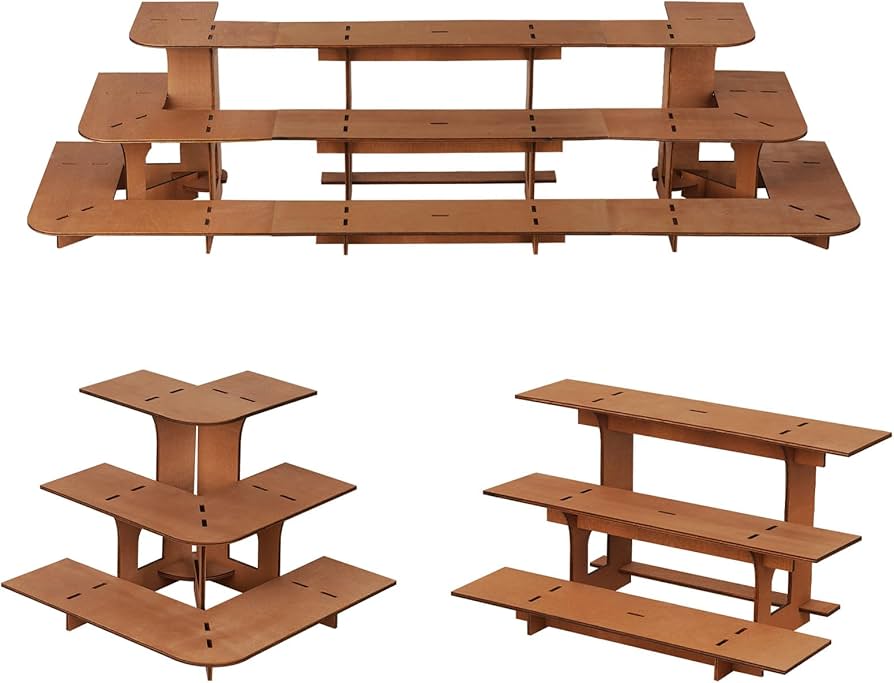
Shelves are ideal canvases for narrative merchandising because they balance structure with flexibility. Unlike rigid fixtures that limit display direction, shelves allow both horizontal and vertical storytelling. You can place headlining items at eye level, use mid-levels for complementary pieces, and reserve lower tiers for accessories or add-ons.
With strategic placement and grouping, store display shelves transform a row of products into a curated scene. For example, consider a “Spring Refresh” theme:
- Light linens and breathable fabrics on eye-level shelves
- Pastel accessories and hats grouped together beneath
- Bras, belts, or scarves on adjacent tiers for easy coordination
This layered approach helps every product feel like part of a cohesive story instead of just another SKU on a rack.
Selecting Props That Enhance Seasonal Themes
Props bring visual context to merchandise and help deepen the narrative. For a summer collection, props like woven baskets, breezy textiles, and botanical accents evoke sunshine and outdoor living. In fall, warm wood tones, faux leaves, or textured fabrics help convey coziness and transition.
Good props should complement rather than compete with products. Shelves with intentional spacing allow both merchandise and props breathing room to stand out without cluttering the scene.
Lighting That Supports the Story
Lighting is an essential companion to visual storytelling. Soft accent lights illuminate key products without overwhelming the entire display, while color temperature (warm vs. cool) helps set mood. Integrated lighting on shelving saves energy and reduces shadows, keeping key merchandise visible and attractive.
Changing Displays for Fresh Visual Interest
One of the biggest advantages of using shelves as storytelling tools is flexibility. Seasonal displays evolve, and store teams should plan for frequent refreshes. A small shift — switching featured products, updating props, or rotating themes — encourages customers to revisit frequently and discover something new.
Regularly updated shelves make the store feel alive and attuned to the moment, enhancing brand perception and customer loyalty.
Wrap-Up: Stories That Sell
Retail thrives on connection, and thoughtful merchandising is at the heart of that connection. Using store display shelves to curate seasonal narratives helps transform your store from a place of transactions to a place of inspiration. When customers feel emotionally aligned with your displays, they’re more likely to engage, explore, and ultimately spend more.

Natural Wonders Montessori Wooden Toys Sparking Curiosity
Home Golf Simulator – What You Should Expect?
Dream Big, Sleep Better – Anime Body Pillows for a Night Filled with Adventure
About Author
