Why Market Entry Now Depends on Verified Safety
In today’s interconnected markets, getting a product approved for international sale is no longer as simple as meeting basic quality standards. Countries around the world have strengthened their regulatory frameworks, placing higher demands on manufacturers to provide scientific evidence that their products are safe, compliant, and free from harmful materials. Whether a brand sells electronics, toys, cosmetics, apparel, or household goods, scientific testing has become the essential gateway to global market access. Without proper verification, even well-designed products can fail customs checks, face recalls, or be banned from entire regions.
Growing Complexity in Global Compliance Requirements
Each major market brings its own regulatory standards. The European Union enforces REACH and RoHS restrictions, the United States implements CPSIA and FDA rules, and other regions maintain their own strict certification pathways. The challenge for manufacturers is that these rules evolve regularly—new chemical limits, updated heavy metal thresholds, stricter labeling requirements, and expanded product categories. Relying on supplier assurances or old certificates is no longer enough to satisfy compliance authorities. As a result, more brands now incorporate independent laboratory testing into their approval process to verify composition, chemical safety, material durability, and restricted substance content.
The Rise of Science-Driven Quality Assurance
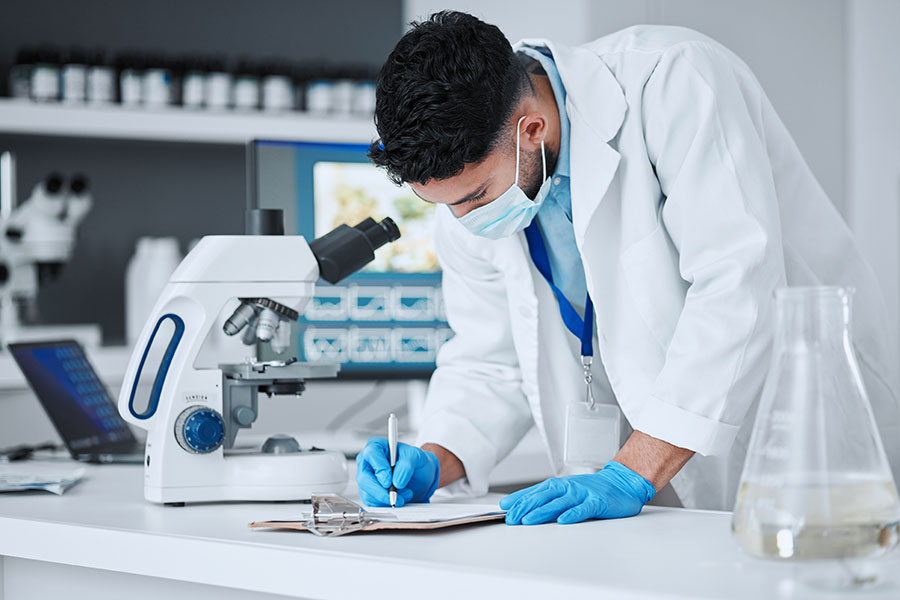
Scientific testing provides manufacturers with clear, objective data about their products. Instead of relying on visual checks or factory-level evaluations, laboratory analysis offers measurable results that confirm whether a product meets regulatory and safety requirements. Tests such as chemical screening, heavy metal detection, material identification, microbiological analysis, and performance testing give brands the confidence to enter global markets without fear of non-compliance. This shift reflects a broader trend: regulators are prioritizing scientifically validated evidence over self-declared claims.
Protecting Consumers and Reducing Health Risks
One of the primary reasons scientific testing has become essential is the increasing focus on consumer safety. Governments and retailers are under pressure to protect consumers from hazardous products, especially those containing toxic chemicals, flammable materials, or unsafe components. Without proper testing, harmful substances can go undetected, leading to dangerous products reaching the market. Scientific verification ensures manufacturers catch these risks long before they reach consumers, reducing the likelihood of injuries, illnesses, or long-term health impacts.
Preventing Compliance Failures and Costly Recalls
For brands, failing a compliance check doesn’t just mean paying fines—it can result in shipment seizures, forced recalls, reputational damage, and loss of retailer partnerships. These consequences are especially severe for small and mid-sized brands, which often lack the financial cushion to absorb unexpected disruptions. Scientific testing offers a proactive approach, allowing issues to be identified early in the development process instead of during final approval or customs inspections. It ensures products are cleared for sale with confidence rather than hope.
A Competitive Advantage in Transparent Markets
Consumers today expect transparency in product sourcing, material choices, and safety standards. Brands that invest in scientific testing can communicate their compliance with confidence, demonstrating their commitment to safety and responsible manufacturing. This builds trust—an increasingly valuable asset in competitive markets. Retailers, marketplaces, and distributors also prefer suppliers who can provide verified testing results, making scientific testing a competitive advantage rather than just a regulatory requirement.
Scientific testing has moved from a supplementary step to a necessary foundation of international product approval. As global regulations grow more complex and consumer expectations rise, brands must rely on laboratory analysis to ensure their products are safe, compliant, and market-ready. With scientific evidence supporting each stage of development, manufacturers can avoid costly compliance failures and enter global markets with confidence. In today’s environment, testing is not just a requirement—it is the backbone of responsible, sustainable, and globally competitive manufacturing.